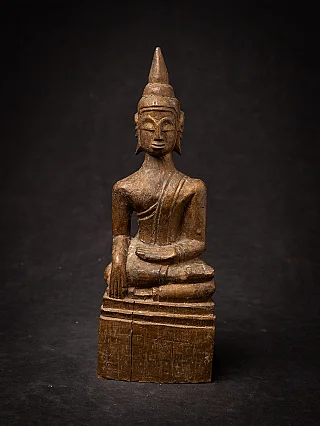
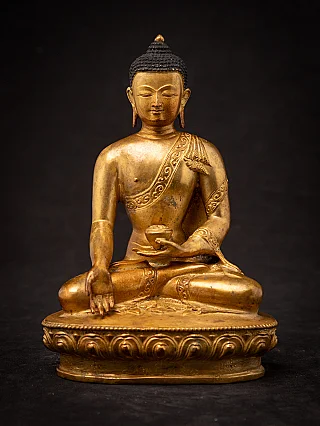
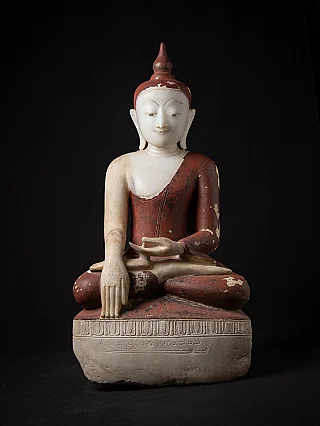
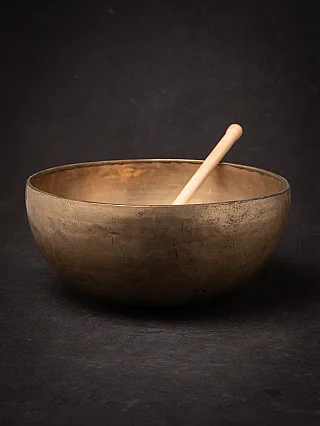
School of Tibetan Buddhism
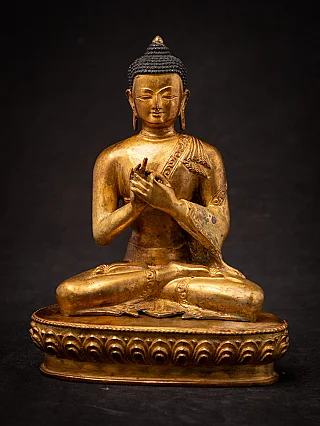
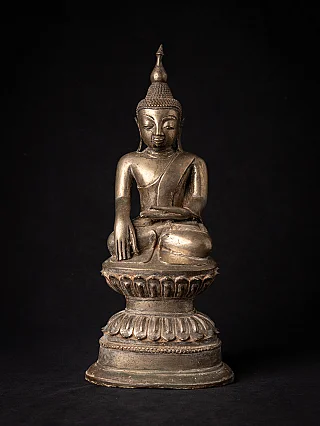
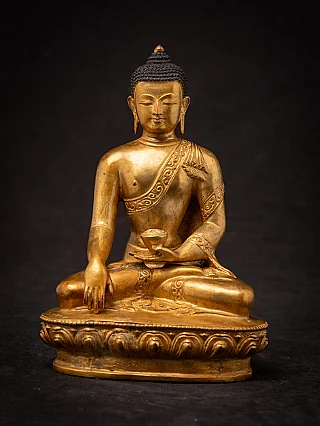
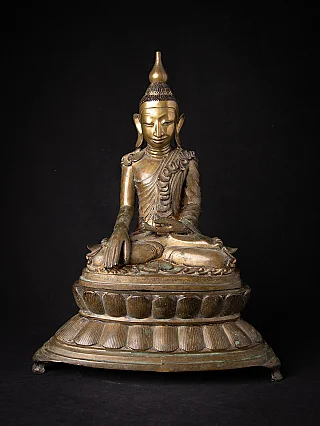
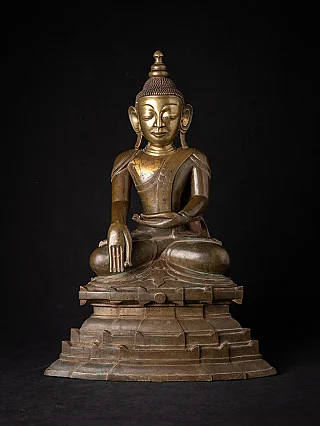
View our Buddha Statues in our gallery
Tibetan Buddhism is the form of Vajrayana Buddhism which got its name after the name of the region, Tibet. Tibetan Buddhism is practiced not only in Tibet but also in other parts of the world. Along with following the teachings of Buddha, Tibetan Buddhism also applies Tantric practices and aspires to Buddhahood. Tibetan Buddhism has majorly four schools- Nyingma, Kagyu, Sakya, and Gelug.
Four School of Tibetan Buddhism
Nyingma
This school of Tibetan Buddhism is founded on the first translations of Buddhist scriptures from Sanskrit into old Tibetan which was done in the eighth century. Since it was an ancient school of Tibetan Buddhism, it was named Nyingma school of Tibetan Buddhism as the literal meaning of the word Nyingma is ancient. This school of Tibetan Buddhism is also referred to as Ngangyur.
This school of Buddhism believes in the hidden terma treasures and place an emphasis on Dzogchen. Apart from the teachings of Buddha, they also incorporate local religious practices and elements of shamanism. If we look at the history of this school, the origin of this school leads to the teachings of Padmasambhava. Earlier, Nyingma practice was spread orally among the lay practitioners but later it was more organized with establishments of monasteries and adapted the practice of reincarnated spiritual leaders. In modern times, the Nyingma lineage has been centered in Kham and has been associated with the Rime movement.
Kagyu
The origin of Kagyu school of Tibetan Buddhism can be traced back to Gautam Buddha. It is recorded that great Indian yogi Tilopa was the important source for the Kagyu's practices. He was one of the mahasiddhas of India. He gained this realization through the methods that were taught by the Gautama Buddha. Yogi Tilopa passed down this realization to the disciples through the lineage: Indian mahasiddha Naropa, Marpa-the great translator, Milarepa-the greatest yogi of Tibet, and then to Gampopa. The lineage of the Kagyu emphasizes the continuity of oral instructions passed down from master to the students. Hence it was named as Kagyu.
The Kagyu school of Buddhism consists of four major sub-sects: the Karma Kagyu, the Tsalpa Kagyu, the Barom Kagyu, and Pagtru Kagyu. Further, the Pagtru Kagyu consists of eight minor sub-sects. The most notable Kagyu sect are the Drikung and Drukpa Lineages. The most recent one Shangpa Kagyu was established by the Kaly Rinpoche. This sect history can be traced back to the Indian master Naropa via Niguma, Sukhasiddhi, and Khyungpo Naljor.
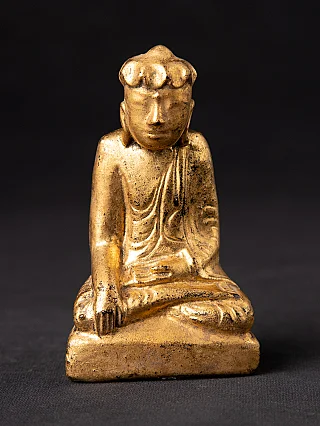
View our collections of statues and arts in our gallery
Sakya
The origin of Sakya school of Buddhism can also be traced back to Gautam Buddha. It is recorded that the great Indian yogi Virupa was the important source for the Sakya practices. He was one of the mahasiddhas of India. He achieved attainments through Gayadhara and then passed on the teachings to his Tibetan disciple, Drokmi Lotsawa Shakya Yeshe. Drokmi Lotsawa passed the lineage to his disciple Khon Konchok Gyalpo. He built the great monastery in the Tsang region, central Tibet. Since this region had lots of gray earth, this school of Buddhism was named as the Sakya which means Gray Earth. Khon Konchok Gyalpo established Sakya School in the late 11th century.
Gelug
This school of Buddhism was originally a reformist movement and is known for its emphasis on logic and debate. This school of Buddhism was founded by Je Tsongkhapa in the 14th-15th century. Je Tsongkhapa was a prominent supporter of the Madhyamika philosophy and formalized the Svatantrika-Prasangika distinction.
The spiritual leader of the Gelug school of Tibetan Buddhism is entitled as Ganden Tripa and the temporal one is the Dalai Lama. The general person believes that Dalai Lama is the manifestation of Bodhisattva Avalokitesvara. After the civil war and the Mongol intervention in the 17th century, the Gelugpa School dominated Tibetan Buddhism and Dalai Lamas ruled Tibet from the mid-14th to mid-20th centuries until China invaded Tibet.
Share this page